

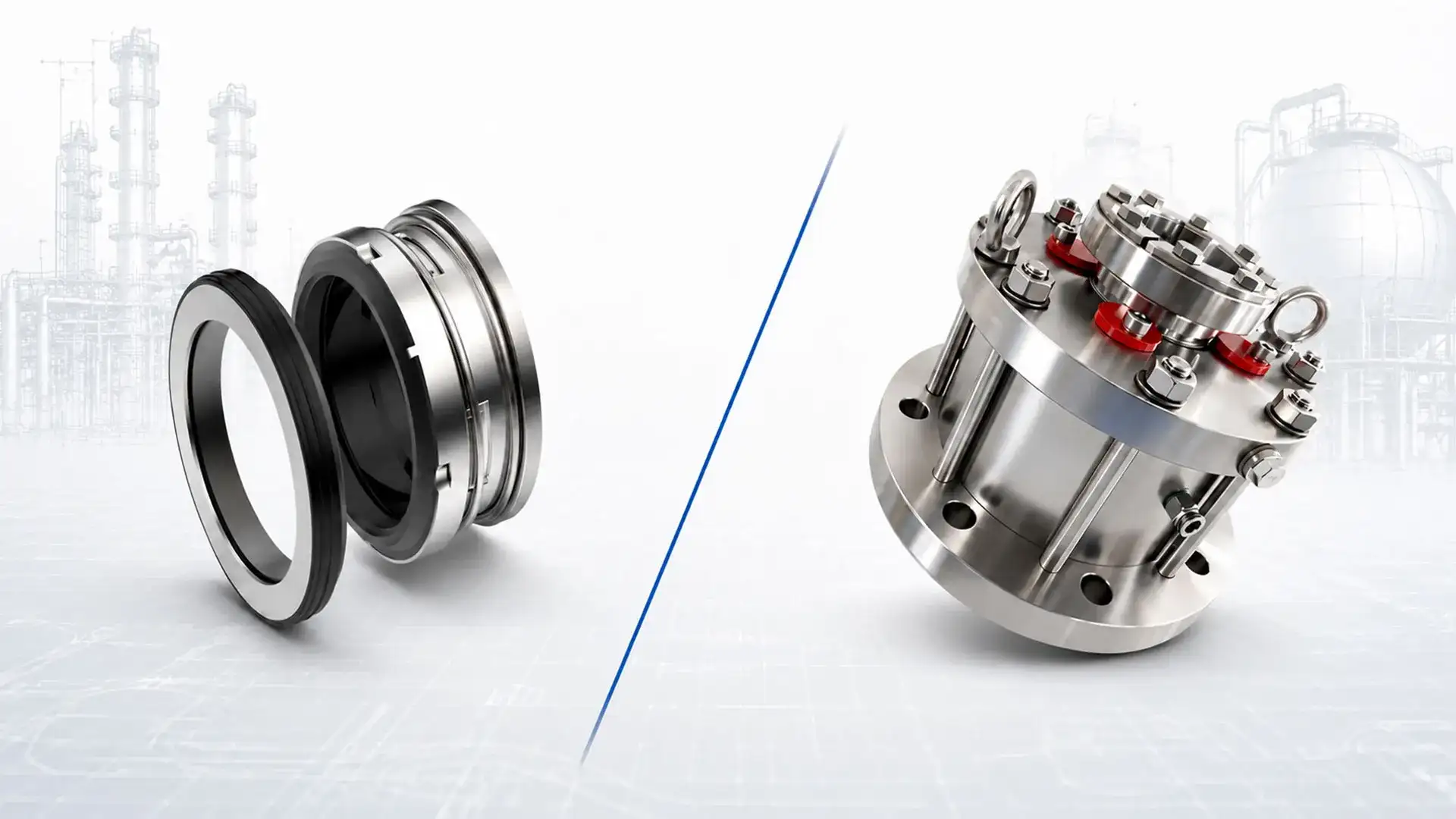

A risk-based selection framework—not a blanket “dual is better” recommendation.
Use a purpose-built single seal when its solids-management strategy, leakage consequences, and support requirements fit the duty. Use a dual pressurized seal when process isolation, hazardous-service containment, poor lubricity, or severe abrasive exposure justifies a controlled barrier-fluid system. A dual seal is not automatically more reliable; it trades direct process exposure for added support-system complexity.
| KEY TAKEAWAY |
| Choose the arrangement from consequence and maintainability: what happens if the inboard seal leaks, what support utilities are dependable, who monitors them, and how the pump starts, stops, and sits idle. Compare installed lifecycle cost—not seal price alone. |
Practical Engineering Perspective
In application review, we separate two questions that are often mixed together: what arrangement protects the faces, and what support system the site can operate consistently. A sophisticated dual seal with an unmanaged barrier system can be a worse choice than a well-matched single slurry seal.
This article reflects HydroMax Seal’s published product and service categories plus established mechanical-seal engineering practice. It does not claim that every duty has been field-tested or that any configuration guarantees a specific runtime. For a high-consequence or unfamiliar application, use verified equipment data, representative process information, technical approval, and written acceptance criteria before procurement.
What “Single” and “Dual” Actually Mean at the Faces
A single seal has one primary sealing interface. Depending on the design, the faces may run with process fluid, an externally injected flush, or another controlled fluid at the seal chamber. A dual seal has two sealing interfaces with buffer or barrier fluid between them.
Arrangement terminology matters. An unpressurized dual arrangement uses buffer fluid below seal-chamber pressure and provides secondary containment; a pressurized dual arrangement uses barrier fluid above process pressure to limit process entry into the inner seal. The arrangement, not the word “double” alone, determines how leakage moves and what the support system must do.
When a Single Seal With a Good Flush Plan Is Enough
A single seal can be appropriate when the process is not hazardous, controlled leakage is acceptable, the seal architecture is intended for solids, and any required flush or quench can be supplied reliably. Some slurry seals are specifically designed with open, non-clogging features and hard faces for flushless operation within a defined envelope. Others rely on a clean external flush and restriction bushing.
Confirm the exact design rather than assuming every single seal needs Plan 32—or that every single slurry seal can run flushless.
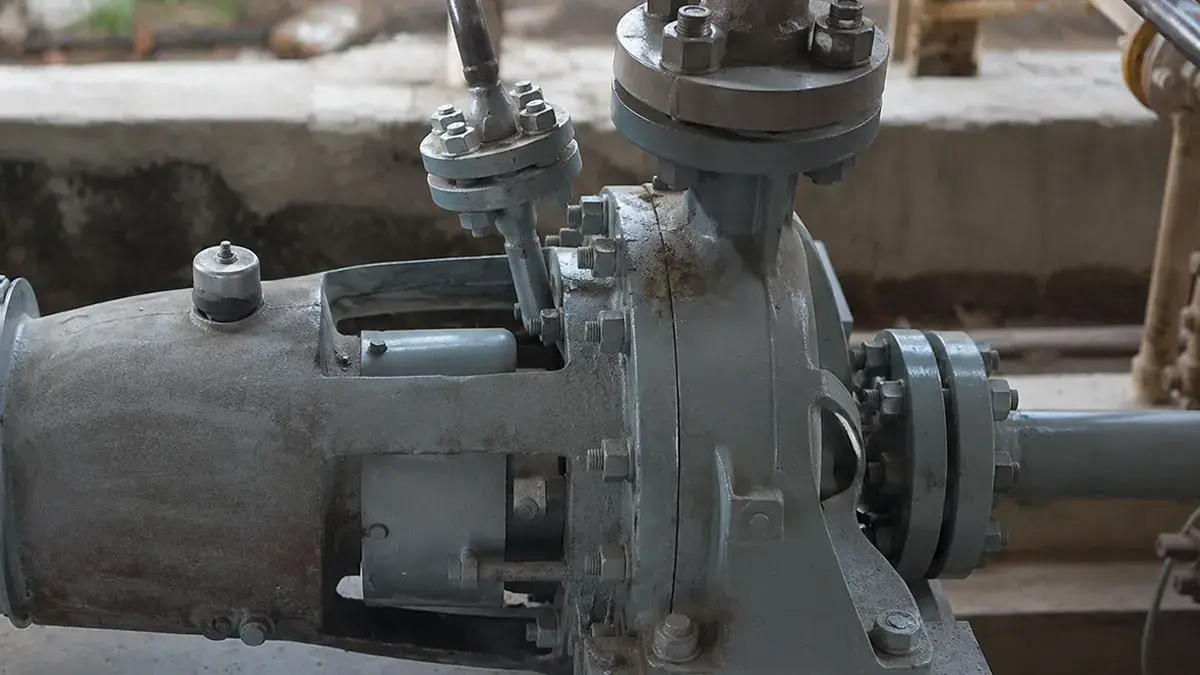
When a Dual Seal Is the Right Call, Not Just the Cautious One
A dual pressurized arrangement becomes compelling when process isolation is required, the liquid provides poor lubrication, atmospheric leakage has serious safety or environmental consequences, or face exposure must be minimized. It may also fit duties where a controlled barrier circuit is more reliable than available flush water.
The trade is dependency. Barrier pressure, circulation, cooling, filtration, fluid compatibility, level/volume, alarms, and startup permissives become part of the sealing system. Loss of that system is an operating event, not a minor maintenance detail.

The Middle Ground: Don’t Skip the Flush Plan Just Because It’s Dual
A common mistake is treating a dual seal as a substitute for good engineering rather than an addition to it. The barrier or buffer system still needs to be sized, monitored, and maintained correctly-a poorly maintained dual seal support system can fail just as fast as a neglected single-seal flush line, just with a bigger repair bill when it does. The arrangement decision (single vs. dual) and the flush/support system design are two separate engineering decisions, not one.
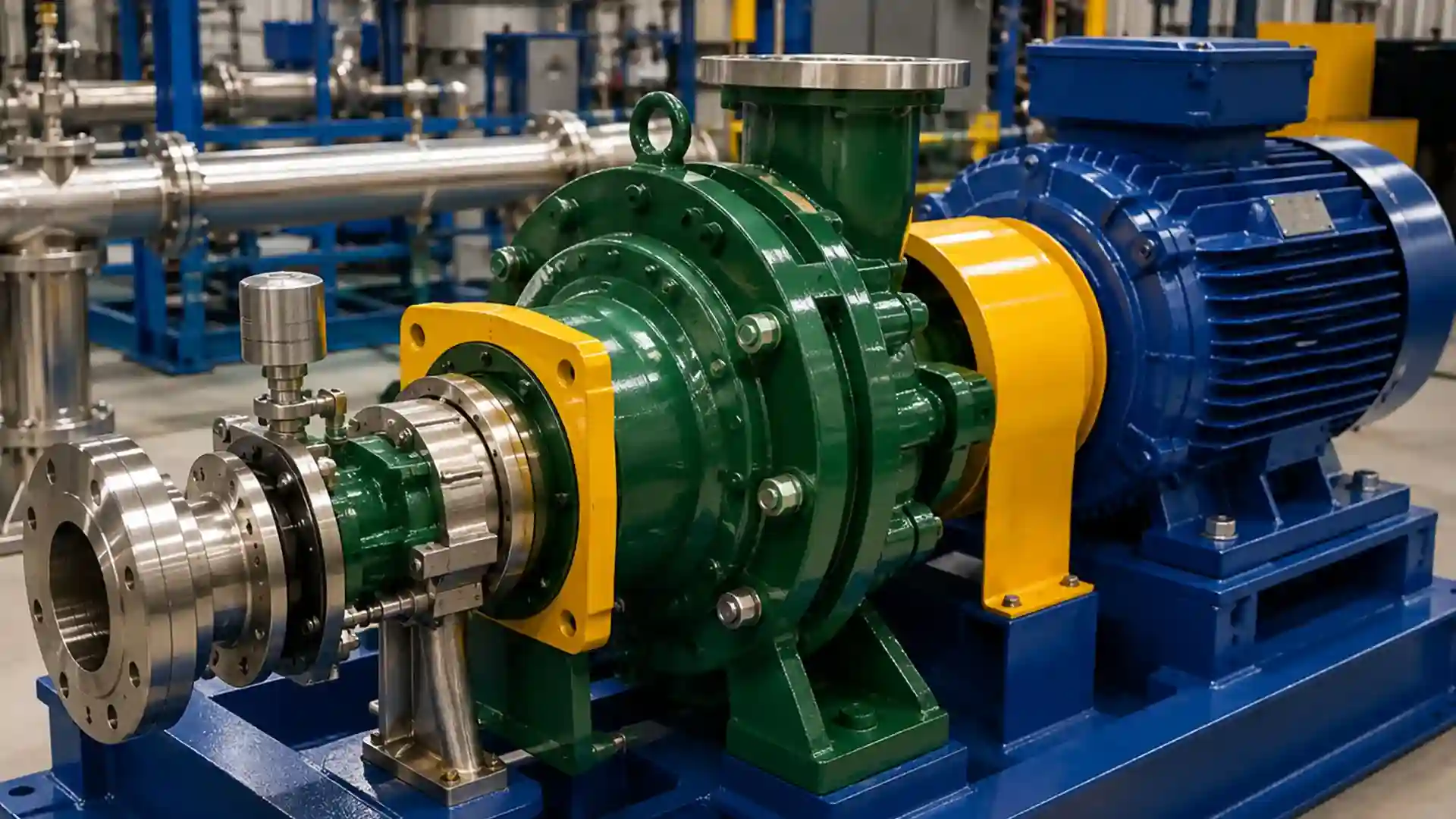
Engineering Pros-and-Cons Framework
Use this matrix during failure review, design approval, and bid leveling. It exposes the trade-offs that a seal price or generic material name can hide.
| Decision factor | Single slurry seal | Dual pressurized seal | Procurement question |
|---|---|---|---|
| Process exposure | Managed by seal architecture, chamber and/or flush | Barrier fluid intended to isolate running faces | What failure mode is being controlled? |
| Utilities and controls | May need flush or quench; some designs are flushless | Needs reliable pressure, circulation, cooling and monitoring | Who owns alarms, checks and replenishment? |
| Leakage consequence | One sealing interface to atmosphere | Additional containment and condition indication | What release is permitted or unacceptable? |
| Lifecycle burden | Simpler hardware; process exposure can raise wear risk | Higher capital and support-system maintenance | Which arrangement lowers risk-adjusted cost? |
What to Send for an Application Review or Quote
- Process fluid and solids data, vapor pressure where relevant, toxicity/flammability/environmental classification, allowable leakage and containment requirement
- Pump, chamber, shaft, pressure, temperature, speed, runout, vibration, axial movement, duty cycle, turndown, start/stop and standby behavior
- Existing seal arrangement and materials, failure history, inspection photos, average runtime, cause codes and corrective actions
- Available flush, quench or barrier fluids; pressure, temperature, filtration, cooling, power, nitrogen/air, instrumentation, alarms and operator coverage
- Installed-cost comparison including seal, gland modifications, panel/reservoir/circulation skid, piping, utilities, commissioning, spares, maintenance and downtime
Frequently Asked Questions
Is a dual seal always safer for abrasive slurry?
No. It can improve isolation, but only when the barrier system and operating controls are correctly designed and maintained.
Can a single seal operate without external flush water?
Some purpose-built slurry seals are designed for flushless service within stated limits. Verify the selected design and operating envelope.
Does Plan 54 make a seal API 682 compliant?
No. Plan 54 is a support-system concept. Compliance depends on the complete seal and system meeting the applicable standard requirements.
What is the biggest hidden cost of a dual seal?
The support system: engineering, piping, instrumentation, cooling, barrier-fluid management, alarms, commissioning, and maintenance.
What is the fastest way to decide?
Complete a consequence-and-utilities review, then compare both arrangements against the same process data and acceptance criteria.
Related HydroMax Seal Resources
- single and double cartridge seals
- slurry mechanical seals
- seal support systems
- Plan 54 circulation systems
- API 682 seal options
Request a Project-Specific Seal Recommendation
Send HydroMax the pump and seal identification, dimensional information, operating envelope, slurry solids and chemistry, current seal arrangement and materials, support-system details, failure evidence, delivery requirement, and approval criteria. The team can review whether the practical next step is a new slurry seal, an equipment-specific alternative, a support-system change, a repair assessment, or a verified cross-reference.
Request an Application Review and Quote or email sales@hydromaxseal.com.