
GLR-160B Mechanical Seal for Mixers
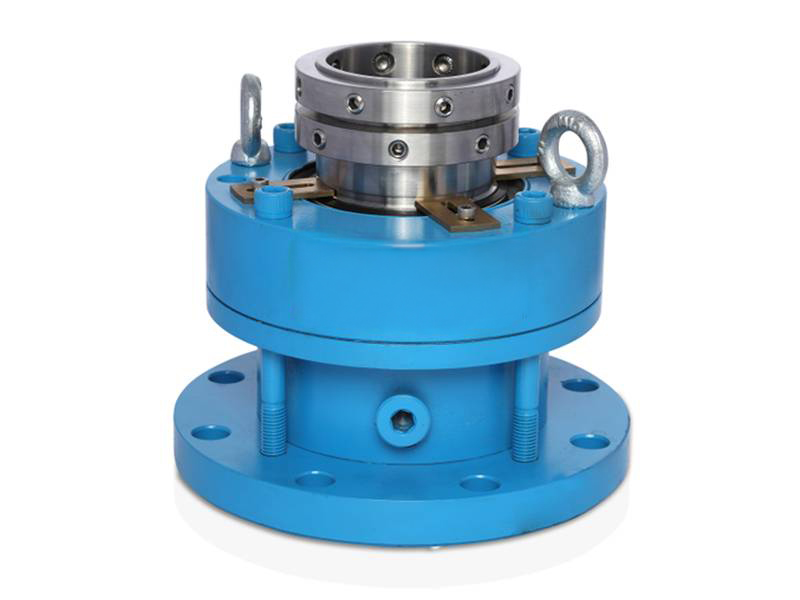
GLR-160B Mechanical Seal for Mixers
Overview
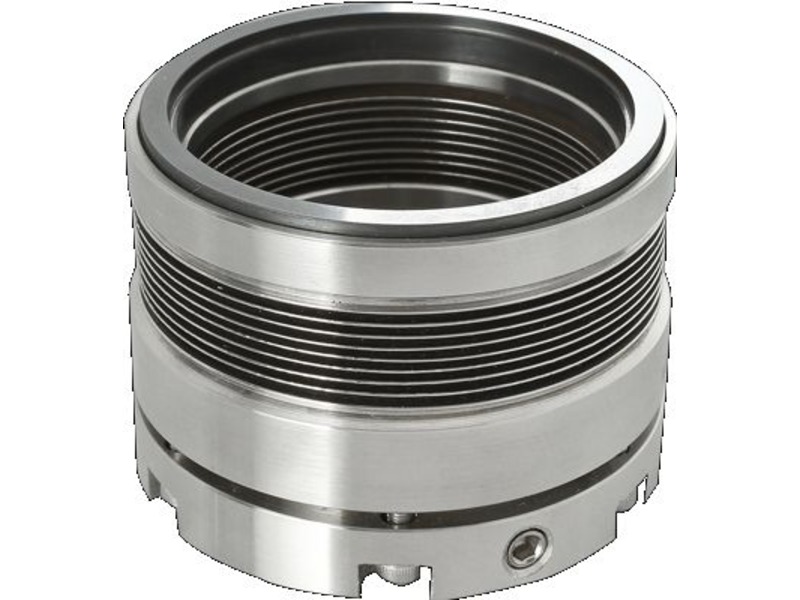
HydroMax Seal GLR-160B | Single Dry Mechanical Seal with Double Drive Collar
The GLR-160B is a multi-spring, single dry mechanical seal assembly with a bearing housing and double drive collar.
This Glass Lined Reactor (GLR) External Single Dry Cartridge Seal Assembly is designed for stepped shaft applications. It features a monolithic rotary seal face and a monolithic clamped stationary seal face sealed by O-ring secondary seals.
The integral bearing is sealed for life; therefore, no oiler is provided with the 160B model.
The double drive collar is designed for high-integrity clamping to the rotating equipment shaft.
The seal has a number of design features, comes factory assembled and tested, and has been successfully installed in hundreds of applications.
Product Description
Technical Specifications
| Seal Shaft Sizes | 1.57″ – 5.51″ |
| Inboard Seal Face Combination | Car/Cer, Car/SiC |
| Gasket | GFT |
| Elastomers | Viton, ERP, Aflas, Kalrez, GFT |
| Shaft Speeds | Up to 10 m/s |
| Pressures | Up to 6 barg (90 psig) |
| Temperatures | 30 – 180°C (86 – 356°F) |
WARNING:
The safe seal performance characteristics are typical values for each variable in isolation. The individual upper limit values of speed, pressure, and temperature should NOT be used in combination.
Typical Applications & Industry Use Cases
The GLR-160B Single Mixer Seal is specifically engineered for top-entry and side-entry mixers, agitators, and reactors operating under low to moderate pressure. Designed to handle axial movement, shaft run-out, and vibration common in mixing equipment, this seal provides reliable containment for liquid and semi-liquid process media while maintaining stable sealing performance during continuous agitation.
Industries Served

Chemical processing
reactors, blending tanks, and agitators handling corrosive or reactive fluids (subject to material compatibility).

Pharmaceutical and fine chemicals
mixing vessels requiring controlled leakage performance and consistent sealing under agitation.

Food and beverage processing
mixers and blenders that handle liquids, slurries, or viscous products (with appropriate material selection).

Water and wastewater treatment
mixers used in tanks, clarifiers, and conditioning basins.

General industrial mixing applications
paints, coatings, adhesives, resins, and specialty fluids.
Equipment & Use-Case Scenarios
- Top-mounted or side-mounted agitators and mixers where shaft deflection and axial movement are expected during operation.
- Applications requiring a compact, single mechanical seal that can tolerate vibration and intermittent dry-running during startup or shutdown.
- Mixing systems operating at low to moderate pressures and rotational speeds typical of agitator equipment.
- Installations where simple seal configuration and ease of maintenance are important for minimizing downtime.
Why It Fits These Applications
- The seal design accommodates axial shaft movement and vibration, which are common in mixer and agitator systems.
- Single-seal configuration provides a cost-effective sealing solution for non-pressurized or lightly pressurized vessels.
- Compact construction allows installation in mixers with limited space for seal housing.
- Designed for stable face loading during variable operating conditions typical of mixing and agitation processes.
Installation Guidelines
Inspect shaft and seal housing
Ensure the mixer shaft is clean, smooth, and free from scoring or corrosion. Confirm that the seal housing dimensions and surface finishes meet the installation requirements.
Mount the seal carefully
Install the GLR-160B onto the shaft without forcing or distorting sealing elements. Ensure correct axial positioning and proper engagement with the drive mechanism.
Check alignment
While mixers tolerate more movement than pumps, proper shaft alignment reduces unnecessary stress on seal faces and extends seal life.
Controlled startup
During initial operation, bring the mixer up to speed gradually. Observe for leakage, abnormal noise, or heat generation around the seal area.
Maintenance & Inspection Best Practices
- Routine visual checks: Inspect for leakage, abnormal vibration, or seal housing movement during normal operation.
- Seal face inspection: During planned shutdowns, examine seal faces for wear, scoring, or deposits caused by process media.
- Elastomer condition: Check secondary sealing elements for swelling, hardening, or chemical degradation, especially in chemically aggressive services.
- Monitor process conditions: Changes in fluid viscosity, temperature, or solids content can impact seal performance and should prompt inspection.
- Proactive replacement: Replace worn sealing components during scheduled maintenance, rather than waiting for leakage, to prevent product loss or contamination.
Service & Support Options
- Application review: Assistance with verifying seal suitability based on mixer speed, shaft size, vessel pressure, and process fluid characteristics.
- Material selection support: Guidance on seal face and elastomer materials to ensure compatibility with process media.
- Spare parts planning: Availability of replacement seal faces and secondary sealing components to reduce downtime.
- Preventive maintenance planning: Establish inspection and replacement intervals based on operating hours and service severity.
- Upgrade guidance: If operating conditions become more severe (elevated pressure, aggressive chemicals, or increased solids content), evaluation of dual-mixer seals or barrier-fluid configurations may be recommended.
Related Products
Contact HydroMax Seal
Contact HydroMax Seal today for innovative solutions, expert guidance, and over a century of engineering excellence. Your journey to mechanical sealing excellence starts with HydroMax Seal!
E-Mail: sales@hydromaxseal.com
Address: 18511 Beaumont Hwy Building D
Houston, TX
77049