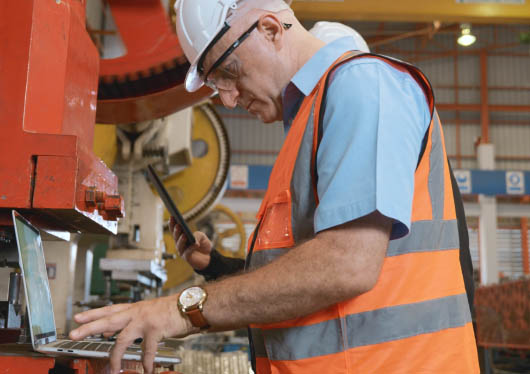

High-Efficiency MPW-550 Double Mixer Seal for Industrial Mixers
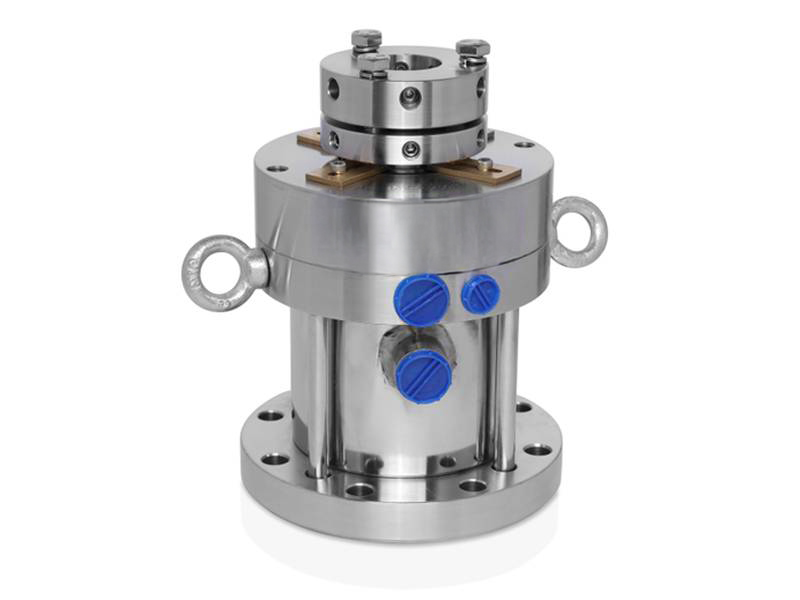
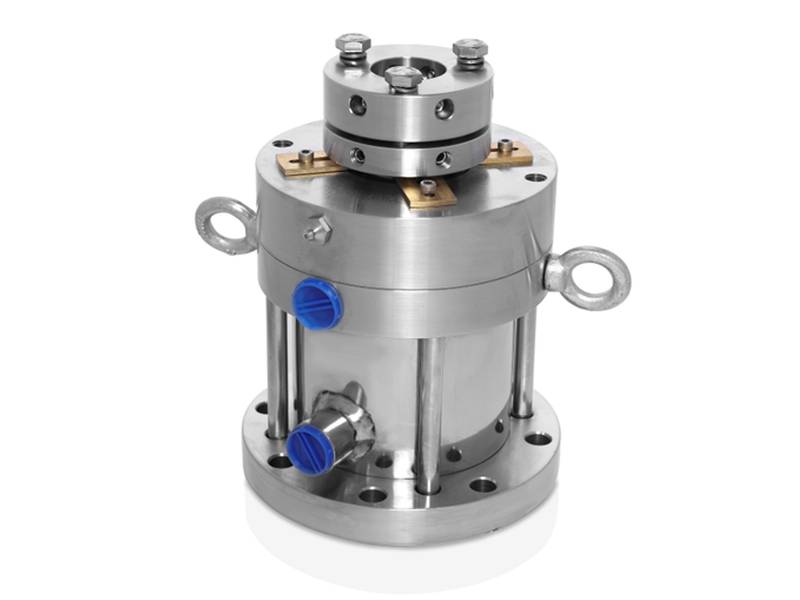
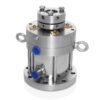
High-Efficiency MPW-550 Double Mixer Seal for Industrial Mixers
Overview
HydroMax Seal MPW-550B | Double Cartridge Mechanical Seal with Integral Bearing
The MPW-550B is a multi-spring double-cartridge mechanical seal assembly with an integral bearing.
The Mixer Pusher Wet (MPW) is a pusher back-to-back seal with monolithic seal faces.
The seal has a number of design features, comes factory assembled and tested, and has been successfully installed in hundreds of mixer applications.
Product Description
Technical Specifications
| Seal Shaft Sizes | 0.79″ – 5.91″ (further sizes can be designed as required) |
| Inboard Seal Face Combination | Car/TC, Car/SiC |
| Outboard Seal Face Combination | Car/TC |
| Gasket | GFT |
| Elastomers | Viton, ERP, Aflas, Kalrez, GFT |
| Shaft Speeds | Up to 10 m/s |
| Pressures | Up to 6 barg (90 psig) |
| Temperatures | 30 – 180°C (86 – 356°F) |
Supply Options
- 12L Thermosyphon Seal Support System with heating/cooling coil, for Plan 52/53
- 28L Thermosyphon Seal Support System with heating/cooling coil, for Plan 52/53
- Plan 54 Forced Circulation System
- Finned Tubing for additional heat removal
WARNING:
The safe seal performance characteristics are typical values for each variable in isolation. The individual upper limit values of speed, pressure, and temperature should NOT be used in combination.
Typical Applications & Industry Use Cases
The MPW-550B Double Mixer Seal is a robust, double mechanical seal engineered specifically for agitators, mixers, and reactors operating under demanding process conditions. Designed to handle high axial movement, shaft runout, pressure fluctuations, and aggressive media, this seal provides enhanced containment and long-term reliability in critical mixing applications.
The double-seal configuration enables the use of a barrier or buffer fluid, ensuring superior heat dissipation, lubrication, and process media isolation, making the MPW-550B ideal for hazardous, abrasive, or chemically aggressive environments.
Industries Served

Chemical processing
reactors and agitators handling corrosive, toxic, or volatile chemicals

Pharmaceutical and biotech
mixing vessels requiring controlled leakage and clean operating conditions.

Food and beverage processing
mixers and blenders where product containment and reliability are critical

Petrochemical and specialty chemicals
high-duty mixing applications with pressure and temperature variation

Pulp, paper, and industrial slurries
agitators handling fibrous or solids-laden media
Equipment & Use-Case Scenarios
- Top-entry or side-entry agitators and mixers with significant shaft deflection or axial movement
- Reactors and vessels operating under pressure or vacuum conditions
- Mixing equipment requiring dual sealing for environmental compliance or operator safety
- Applications where seal reliability directly impacts batch quality, uptime, and process safety
Why It Fits These Applications
- The double-seal design provides superior containment and reduces the risk of process leakage.
- Barrier-fluid capability improves seal face lubrication and thermal control.
- Heavy-duty construction accommodates shaft movement, vibration, and misalignment common in mixer applications.
- Engineered for long service life in aggressive or high-value processes where seal failure is not acceptable
Installation Guidelines
Pre-installation checks
Inspect shaft condition, vessel flange, and seal housing for flatness, cleanliness, and alignment. Ensure shaft runout and axial movement are within acceptable limits for mixer seal applications.
Seal positioning
Install the MPW-550B carefully to ensure correct face alignment and proper engagement of drive components. Avoid damaging secondary seals during assembly.
Barrier fluid setup
Establish the barrier or buffer fluid system prior to startup. Confirm correct fluid type, pressure, and cleanliness to ensure optimal seal performance.
Controlled commissioning
Gradually bring the mixer up to speed while monitoring seal temperature, barrier fluid pressure, and any visible leakage before full operation.
Maintenance & Inspection Best Practices
- Routine monitoring: Track barrier fluid pressure, temperature, and condition during operation. Variations can indicate seal face wear or system imbalance.
- Monitor barrier fluScheduled inspections: During planned shutdowns, inspect seal faces, secondary sealing elements, and drive components for wear, chemical attack, or deformation.id and flush circuits: maintain correct pressure, flow, and temperature stability.
- Shaft movement awareness: Excessive axial movement or vibration accelerates wear — ensure mixer bearings and alignment remain within specification.
- Preventive replacement: Proactively replace secondary seals and consumable components based on operating hours and process severity, rather than waiting for leakage.
- Documentation: Maintain detailed records of operating conditions, run time, and maintenance actions to support predictive maintenance planning.
Service & Support Options
- Application review: Assistance with seal selection, barrier fluid strategy, and material compatibility based on mixer design and process media
- Commissioning support: Guidance during installation and initial startup to ensure correct setup and optimal performance
- Spare parts availability: Replacement seal faces, elastomers, and hardware kits to minimize downtime
- Preventive maintenance planning: Condition-based service schedules to extend seal life and improve reliability
- Upgrade consultation: Evaluation of alternative materials or seal configurations if process conditions evolve or become more demanding
Related Products
Contact HydroMax Seal
Contact HydroMax Seal today for innovative solutions, expert guidance, and over a century of engineering excellence. Your journey to mechanical sealing excellence starts with HydroMax Seal!
E-Mail: sales@hydromaxseal.com
Address: 18511 Beaumont Hwy Building D
Houston, TX
77049