
MPW-550 Double Mixer Mechanical Seal – High-Performance Design
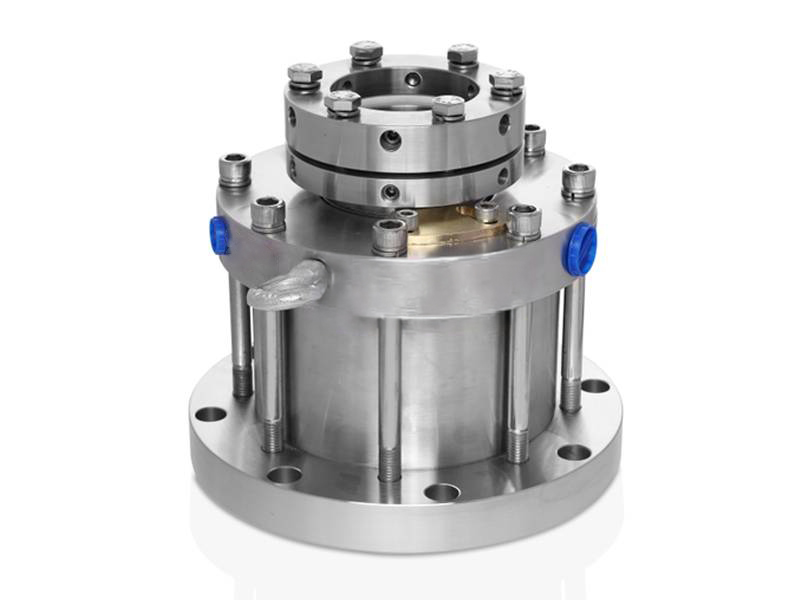
MPW-550 Double Mixer Mechanical Seal – High-Performance Design
Overview
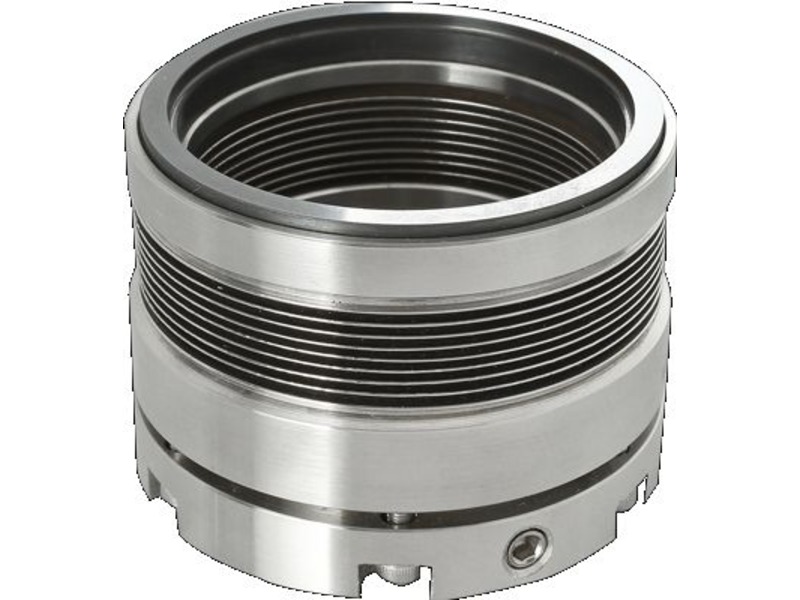
HydroMax Seal MPW-550 | Double Cartridge Mechanical Seal
The MPW-550 is a multi-spring double-cartridge mechanical seal assembly.
The Mixer Pusher Wet (MPW) is a pusher back-to-back seal with monolithic seal faces.
The seal has a number of design features, comes factory assembled and tested, and has been successfully installed in hundreds of mixer applications.
Product Description
Technical Specifications
| Seal Shaft Sizes | 0.79″ – 5.91″ (further sizes can be designed as required) |
| Inboard Seal Face Combinations | Car/TC Car/SiC |
| Outboard Seal Face Combinations | Car/TC |
| Gasket | GFT |
| Elastomers | Viton ERP Aflas Kalrez GFT |
| Shaft Speeds | Up to 10 m/s |
| Pressures | Up to 6 barg (90 psig) |
| Temperatures | 30 – 180°C (86 – 356°F) |
WARNING:
The safe seal performance characteristics are typical values for each variable in isolation. The individual upper limit values of speed, pressure, and temperature should NOT be used in combination.
Typical Applications & Industry Use Cases
The MPW-550 Double Mixer Mechanical Seal is a multi-spring, double-cartridge seal assembly designed specifically for mixer, agitator, and reactor applications where high reliability and containment are critical. The back-to-back double-seal configuration enables the use of barrier or buffer fluid to isolate the process media, improve heat dissipation, and maintain stable face lubrication under demanding dynamic conditions, such as vibration, axial movement, and fluctuating pressure.
Industries Served

Chemical processing and batch mixing

Petrochemical and specialty chemical blending

Pharmaceutical and biotechnology mixing vessels

Food and beverage reactors and blenders

Pulp, paper, and solids-handling agitators
Equipment & Use-Case Scenarios
- Top-entry and side-entry mixers are subject to shaft deflection, axial movement, or vibration
- Mixing tanks and reactors operating under pressure or vacuum
- Processes requiring dual sealing for product containment and environmental compliance
- High-value batch operations where seal reliability directly impacts safety, quality, and uptime
Why It Fits These Applications
- Double-seal configuration provides enhanced containment and minimizes leakage risk in aggressive or hazardous mixing services.
- Balanced seal faces with multi-spring loading ensure stable performance under dynamic loads and variable operating conditions.
- Barrier or buffer-fluid capability improves lubrication, heat dissipation, and isolation of process fluid.
- Factory-assembled cartridge construction simplifies installation and reduces the risk of field assembly errors.
Installation Guidelines
Surface preparation
Inspect and clean the mixer shaft, seal chamber, and housing surfaces to remove corrosion, scoring, or contamination. Proper alignment and surface condition are essential for long seal life.
Seal installation
Carefully install the MPW-550 cartridge onto the shaft and into the housing. Ensure correct engagement with the drive mechanism and avoid twisting or damaging the seal faces during installation.
Barrier-fluid setup
Connect the barrier or buffer fluid supply and return lines according to the selected piping plan. Prime and vent the system fully to eliminate trapped air before startup.
Commissioning checks
Establish barrier-fluid circulation first. Verify stable pressure, flow, and temperature, then start the mixer under controlled conditions while monitoring seal temperature, vibration, and leakage.
Maintenance & Inspection Best Practices
- Barrier-fluid monitoring: Regularly monitor barrier or buffer fluid pressure, flow, and cleanliness. Deviations may indicate seal wear, contamination, or restricted circulation.
- Scheduled inspections: During planned shutdowns, inspect seal faces, springs, secondary seals (O-rings and gaskets), and gland components for wear, deposits, or damage.
- Operational logging: Maintain records of mixer speed, operating pressure, temperature, fluid characteristics, and start/stop cycles. Trend analysis helps predict maintenance needs and optimize service intervals.
- Contamination control: In services with solids or particulates, consider flush arrangements or filtration to protect seal faces and extend service life.
- Condition reassessment: If operating conditions change significantly — higher speed, pressure, temperature, or more aggressive media — review seal materials and configuration to ensure continued reliability.
Service & Support Options
- Pre-installation review: Confirmation of seal configuration, materials, and barrier-fluid strategy based on process conditions and mixer design
- Spare-parts support: Availability of replacement seal faces, secondary seals, springs, and cartridge components to minimize downtime.
- Installation assistance: Guidance on alignment, barrier-fluid setup, and startup procedures to prevent premature seal issues
- Preventive-maintenance planning: Condition-based inspection programs and service scheduling to extend seal life and reduce unexpected failures
- Upgrade pathways: Evaluation of material upgrades or alternative seal designs if service severity increases or process requirements evolve
Related Products
Contact HydroMax Seal
Contact HydroMax Seal today for innovative solutions, expert guidance, and over a century of engineering excellence. Your journey to mechanical sealing excellence starts with HydroMax Seal!
E-Mail: sales@hydromaxseal.com
Address: 18511 Beaumont Hwy Building D
Houston, TX
77049