



A practical support-plan guide that separates primary face protection from atmospheric-side quench duty.
Plan 32 injects clean compatible fluid from an external source into the seal chamber to remove heat and limit dirty process fluid near a single seal. Plan 62 supplies a quench to the atmospheric side of a single seal. They perform different jobs: Plan 62 does not replace a reliable Plan 32 flush when the process-side faces require clean-fluid protection.
| KEY TAKEAWAY |
| Specify the operating values—not only the plan number. Define source, fluid compatibility, minimum/normal/maximum pressure and flow, temperature, filtration, restriction-bushing clearance, valves, instruments, alarms, startup permissives, shutdown duration, drain/vent routing, and maintenance ownership. |
Practical Engineering Perspective
When we troubleshoot a “Plan 32 failure,” the drawing is rarely the whole story. Closed valves, plugged strainers, eroded bushings, pressure dips, wrong flow indication, hot flush, incompatible water, or poor startup sequencing can defeat a correct concept. The field values must prove the plan is doing its job.
This article reflects HydroMax Seal’s published product and service categories plus established mechanical-seal engineering practice. It does not claim that every duty has been field-tested or that any configuration guarantees a specific runtime. For a high-consequence or unfamiliar application, use verified equipment data, representative process information, technical approval, and written acceptance criteria before procurement.
Why the Flush Plan Matters as Much as the Seal Itself
A mechanical seal’s faces are only as clean as the fluid running through them. In clean, non-abrasive service, the process fluid itself can often serve as the flush (Plan 11, an internal recirculation from pump discharge back to the seal chamber). Abrasive slurry breaks that option immediately-recirculating abrasive process fluid straight to the faces would defeat the purpose of any seal design. That’s the entire reason external flush plans and restriction bushings exist for this class of application: to give the seal a cleaner, cooler, less abrasive environment than the bulk process fluid it’s sealing against.

The Restriction Bushing: The Unsung Half of the System
A close-clearance restriction or throat bushing limits exchange between the pump and seal chamber. In a Plan 32 arrangement, its clearance and length influence flush velocity, required flow, chamber pressure, and process dilution. The material must tolerate abrasion and chemistry, and the design must accommodate shaft movement and manufacturing tolerances without rubbing.
Treat bushing wear as a monitored condition. As clearance opens, the same flush setting may no longer maintain the intended environment.
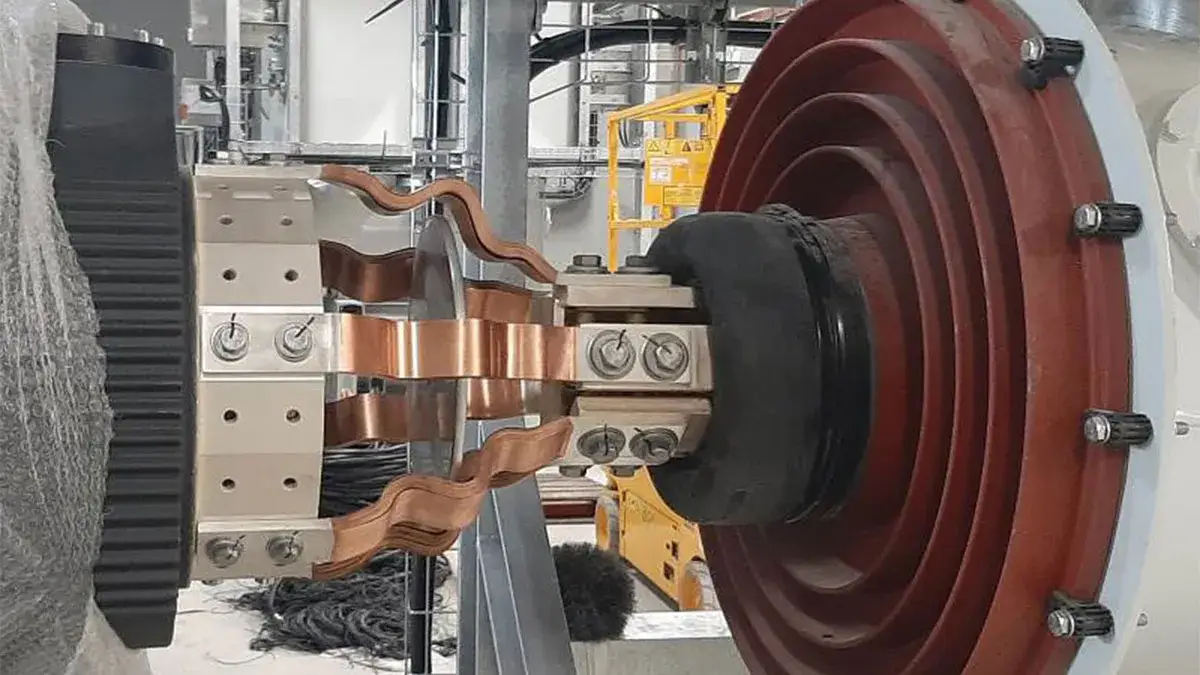
Plan 32: External Clean Flush
Plan 32 introduces a clean, compatible fluid from an external source into the seal chamber. It can remove heat, increase vapor margin, and reduce dirty-process entry. The system must maintain the approved pressure and flow across normal, maximum, startup, and upset cases.
The flush enters the process. Engineering must account for dilution, chemistry, temperature, water balance, product quality, treatment capacity, and disposal. Monitor for closed valves, plugging, low differential, eroded bushings, failed instruments, and loss of utility pressure.
Plan 62: Quench for Standstill and Startup Protection
Plan 62 supplies an external quench to the atmospheric side of a single seal. Depending on the selected medium and design, it can limit deposits, coking, crystallization, icing, or atmospheric-side dry running. It requires a compatible fluid or gas and a safe drain/vent arrangement.
Because Plan 62 is outside the primary faces, it is not a process-side flush and does not replace Plan 32 or a pressurized dual-seal system.
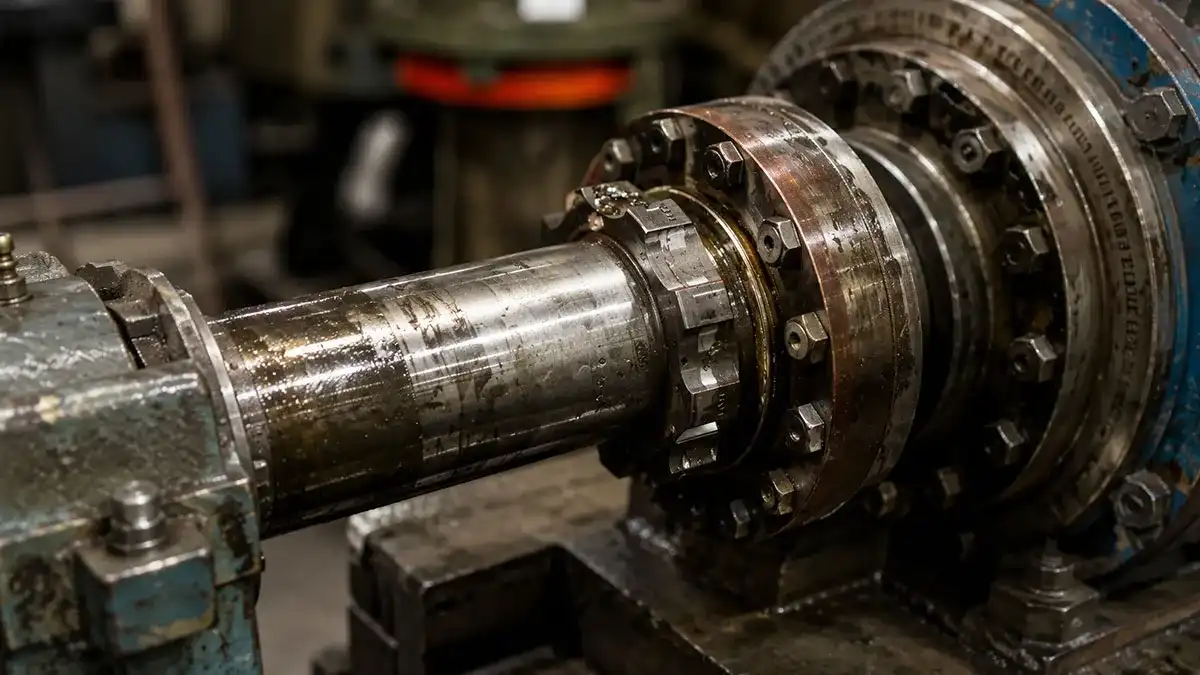
Choosing Between Them: A Simple Framework
A useful way to think through the decision:
1. Is the process fluid clean enough to flush the seal directly? If yes, simpler internal plans may work. In genuine abrasive slurry, the answer is often no.
2. Does the application need an external clean flush? If yes, Plan 32 with a close-clearance restriction bushing is the standard starting point.
3. Does the pump see frequent shutdowns, intermittent duty, or a history of startup-related seal damage? If yes, add Plan 62 quench to protect against solids settling during standstill.
4. Is zero process leakage required, or is flush reliability fundamentally in question? If yes, this points toward a dual seal arrangement (Plans 52/53/54) rather than relying on a single-seal flush plan at all-covered in more detail on our single vs. dual seal page.
Engineering Pros-and-Cons Framework
Use this matrix during failure review, design approval, and bid leveling. It exposes the trade-offs that a seal price or generic material name can hide.
| Item | Plan 32 | Plan 62 | Design/operating checkpoint |
|---|---|---|---|
| Location and duty | External clean flush into seal chamber | Quench on atmospheric side | Confirm piping connection and flow path |
| Primary objective | Cool/clean chamber and restrict process entry | Manage deposits, icing, coking or dry-side condition | Do not substitute one duty for the other |
| Key dependency | Compatible source at adequate pressure/flow | Compatible quench and safe drain/vent route | Instrument actual conditions |
| Common failure | Plugging, low differential, eroded bushing, closed valve | Blocked drain, wrong medium, false assumption of face lubrication | Assign inspection and alarm response |
What to Send for an Application Review or Quote
- Seal arrangement, chamber and gland drawing, pump pressure cases, temperature, speed, current piping plan and restriction-bushing material/clearance
- Process/slurry chemistry, solids concentration and PSD, vapor pressure where relevant, hazards, allowable dilution and contamination limits
- Available flush/quench fluids, source pressure and temperature range, quality/filtration, compatibility, consumption limits and discharge route
- Required flow/pressure measurement, low-flow or low-pressure alarms, interlocks, check valves, strainers, control valves, bypasses, vents, drains and sampling
- Startup, shutdown, standby, flushing, freezing, cleaning, lockout, maintenance, inspection frequency, ownership and commissioning acceptance test
Frequently Asked Questions
Can Plan 62 protect the process-side faces from slurry?
Not by itself. It acts on the atmospheric side of a single seal.
How much higher should Plan 32 pressure be than seal-chamber pressure?
Use the seal and system designer’s approved differential and flow calculation; do not apply a universal rule without the pump pressure cases and bushing geometry.
Does Plan 32 contaminate the process?
The flush enters the process. Confirm fluid compatibility, dilution, water balance, product quality, treatment, and disposal impact.
What does a restriction bushing do?
It limits exchange between the seal chamber and pump, helping maintain pressure/velocity and reduce process-fluid entry when correctly sized.
When should another plan be considered?
When flush contamination is unacceptable, utilities are unreliable, process hazards require containment, or a pressurized dual arrangement better controls risk.
Related HydroMax Seal Resources
- seal support systems
- Plan 54 circulation systems
- API 682 seal options
- slurry seals
- seal performance services
Request a Project-Specific Seal Recommendation
Send HydroMax the pump and seal identification, dimensional information, operating envelope, slurry solids and chemistry, current seal arrangement and materials, support-system details, failure evidence, delivery requirement, and approval criteria. The team can review whether the practical next step is a new slurry seal, an equipment-specific alternative, a support-system change, a repair assessment, or a verified cross-reference.
Request an Application Review and Quote or email sales@hydromaxseal.com.