

A disposition framework that keeps a low repair price from repeating an expensive failure.
Refurbish a slurry-damaged seal when the major components are identifiable, dimensionally recoverable, traceable, and suitable for the duty after repair. Replace or redesign when critical parts are cracked, distorted, deeply corroded, below minimum dimensions, obsolete, untraceable, or implicated in the failure. The decision must include root cause and downtime risk—not repair cost alone.
| KEY TAKEAWAY |
| Require a written inspection disposition: reusable, repairable, replace, upgrade, or scrap for each critical component. Define replacement materials, restored dimensions, face flatness/finish, pressure or dynamic test, documentation, warranty, turnaround, and approval hold points before work begins. |
Practical Engineering Perspective
Our repair review is most valuable when it starts before parts are cleaned or discarded. HydroMax states that it refurbishes its own and competitor seals when condition supports restoration. A credible quote should distinguish cosmetic cleanup from dimensional restoration, material replacement, testing, and any engineered upgrade.
This article reflects HydroMax Seal’s published product and service categories plus established mechanical-seal engineering practice. It does not claim that every duty has been field-tested or that any configuration guarantees a specific runtime. For a high-consequence or unfamiliar application, use verified equipment data, representative process information, technical approval, and written acceptance criteria before procurement.
What Actually Determines Repairable vs. Not
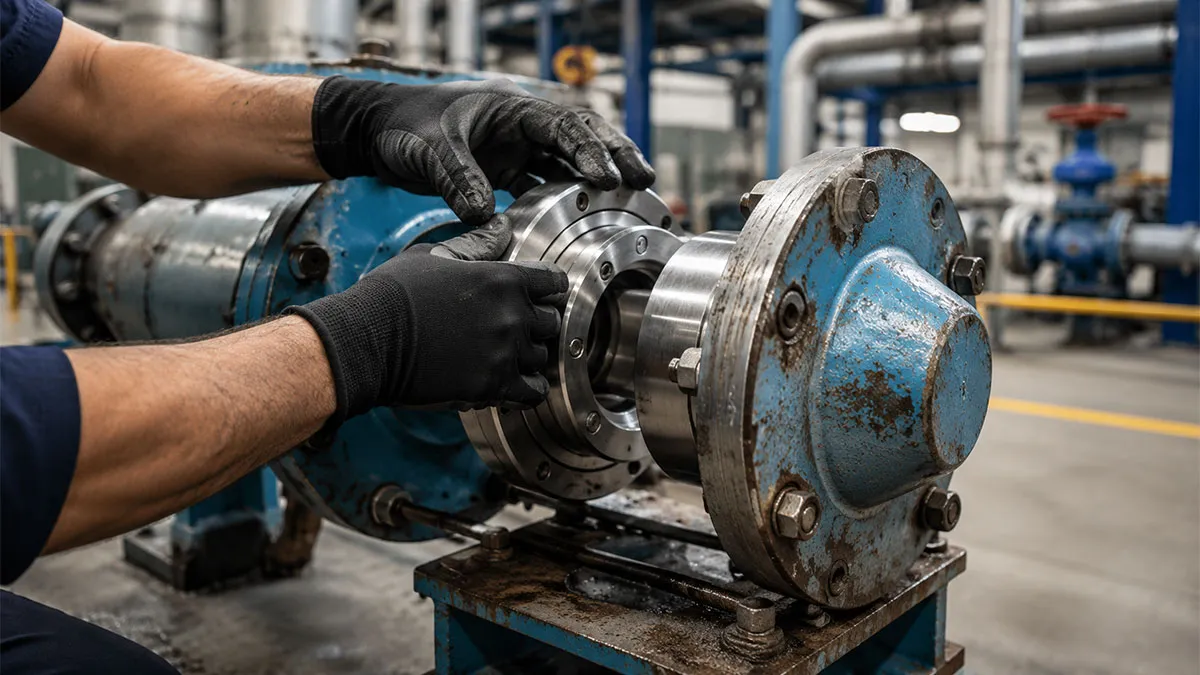
Repairability is a dimensional and material question. The shop should inspect faces, sleeves, gland fits, drive features, springs, fasteners, elastomer contact surfaces, ports, threads, and corrosion. Reuse is appropriate only when the component meets the approved specification after restoration.
Ask for the minimum remaining dimensions and acceptance basis. “Looks reusable” is not a controlled repair standard.
The Question That Matters More Than Repair vs. Replace
The higher-value question is whether the returned seal will face the same failure mechanism. A like-for-like rebuild can be reasonable after normal wear or an isolated operating event. Repeat abrasion, dry running, chemical attack, hang-up, shaft movement, or support-system failure requires corrective action outside—or in addition to—the repair scope.
When Replacement Is Clearly the Right Call
- The face damage is beyond lapping tolerance (deep grooves, cracking,
chipping)
- The seal design itself is being changed as part of fixing a recurring
failure (e.g., moving from single to dual seal, or changing face material)-there’s little reason to refurbish a design that’s being retired
- The cost difference between repair and new is small enough that the
documentation and testing rigor of a new part outweighs the savings
- The application is critical enough that any uncertainty about a
repaired part’s remaining life isn’t acceptable
When Repair Is Worth Serious Consideration
- The failure was caught early-moderate wear, no cracking, secondary
components largely intact
- The seal design and arrangement are correct for the application (i.e.,
this wasn’t a premature failure calling for a redesign) and it simply reached a normal wear-driven service interval
- Budget or lead time pressure makes a fast, lower-cost turnaround
valuable, and a reputable refurbishment process with full inspection and documentation is available
- It’s a less-critical or redundant application where a documented,
tested refurbished seal carries acceptable risk
Engineering Pros-and-Cons Framework
Use this matrix during failure review, design approval, and bid leveling. It exposes the trade-offs that a seal price or generic material name can hide.
| Decision factor | Repair / refurbish | Replace like-for-like | Engineer an upgrade |
|---|---|---|---|
| Condition | Recoverable within approved dimensions | Core parts exhausted or damaged | Original design contributes to failure |
| Traceability | Materials and geometry can be verified | New unit restores controlled baseline | New specification documents changes |
| Schedule | Repair path is genuinely shorter | Stock/new lead time is acceptable | Downtime supports engineering and qualification |
| Risk/cost | Low consequence and strong inspection evidence | High consequence or uncertain repair | Repeat failures justify lifecycle change |
What to Send for an Application Review or Quote
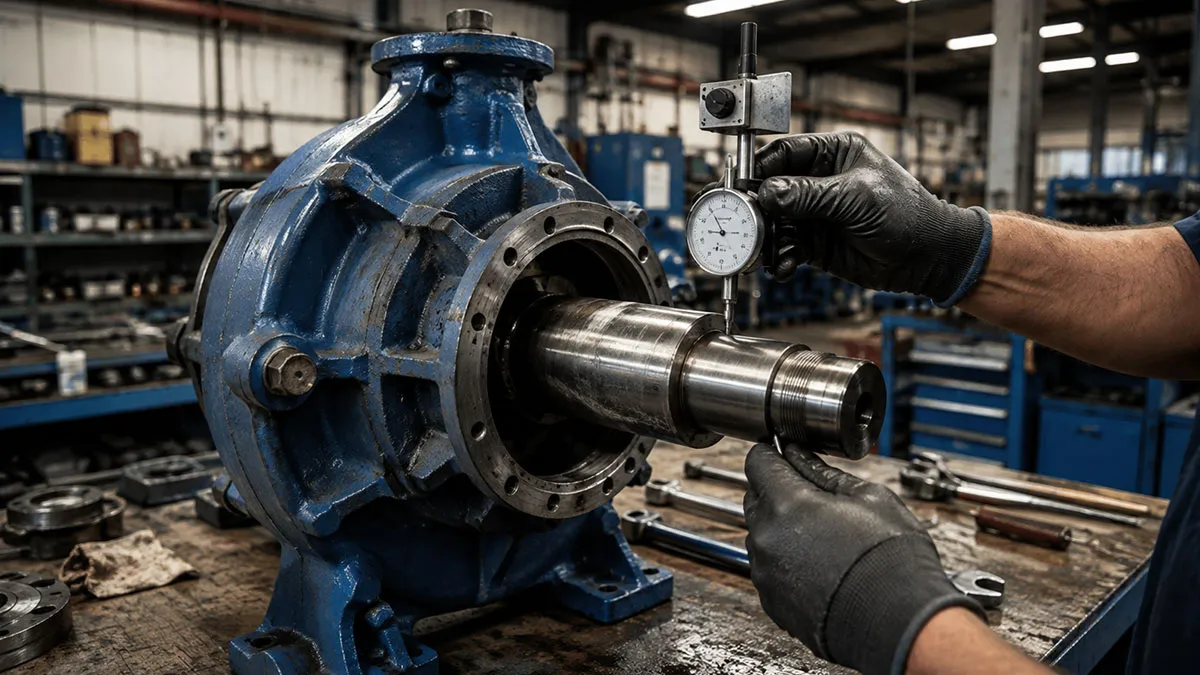
- Complete seal with tags, nameplate, photos and history; protect faces and deposits from damage during shipment
- Pump/model/serial, shaft and chamber dimensions, drawings, seal arrangement, materials, support plan and installation records
- Failure date and symptoms, runtime, leak trend, process upset, prior repairs, changed parts and any previous root-cause reports
- Required turnaround, outage date, spare status, new-seal lead time, downtime cost, criticality, leakage consequence and approval authority
- Requested inspection report, quote breakdown, materials/certificates, dimensional report, test procedure, witness/hold points, warranty and return documentation
Frequently Asked Questions
Is relapping the faces a complete seal repair?
No. Springs, elastomers, drive parts, fits, sleeves, gland condition, distortion, materials, and support-system cause also require review.
Can HydroMax evaluate another manufacturer’s seal?
HydroMax’s repair page states that it evaluates and refurbishes competitor seals when condition supports restoration.
When is replacement clearly safer?
When critical components are cracked, untraceable, dimensionally exhausted, deeply attacked, or unsuitable for the revised duty.
Should an upgraded repair keep the old part number?
Use controlled documentation that distinguishes the revised build and preserves interchange and material records.
How should bids be compared?
Normalize scope: parts replaced, materials, machining, lapping, inspection, testing, documentation, warranty, freight, turnaround, and failure-analysis work.
Related HydroMax Seal Resources
- expert seal repair and refurbishing
- assembly and quality testing
- equipment-specific seals
- smart inventory and rapid response
- application engineering support
Request a Project-Specific Seal Recommendation
Send HydroMax the pump and seal identification, dimensional information, operating envelope, slurry solids and chemistry, current seal arrangement and materials, support-system details, failure evidence, delivery requirement, and approval criteria. The team can review whether the practical next step is a new slurry seal, an equipment-specific alternative, a support-system change, a repair assessment, or a verified cross-reference.
Request an Application Review and Quote or email sales@hydromaxseal.com.