
Multi-Spring Seal RPW-012 – Robust Mechanical Seal for Pumps
Multi-Spring Seal RPW-012 – Robust Mechanical Seal for Pumps
Overview
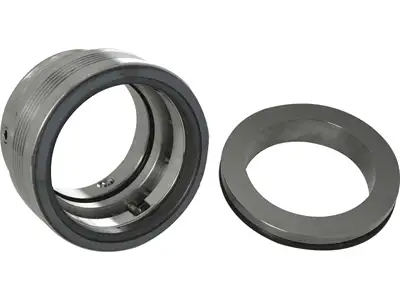
HydroMax Seal RPW-012 | Multi-Spring Balanced Rotary Wet Pusher Seal with O-Ring
The RPW-012 is a compact and reliable multi-spring balanced mechanical seal designed for rotary wet pusher applications on parallel shafts. Featuring shrink-fitted seal faces and a dynamic O-ring secondary seal, this seal is set screw driven and manufactured to standard working lengths for ease of installation.
Suitable for use with a wide range of stationary seat configurations, the RPW-012 is a versatile solution for pumps operating under moderate conditions.
Product Description
Design Features
- Multi-spring balanced design ensures even seal face loading
- Shrink-fit seal faces for dimensional stability
- Dynamic O-ring secondary seal for flexible axial movement
- Set screw driven for secure shaft engagement
- Compatible with a range of stationary seat options
- Ideal for general-duty rotary sealing on parallel shafts
Technical Specifications
| Seal Shaft Sizes | 20mm – 100mm (1.000″ – 4.000″) |
| Inboard Seal Face Combinations | Carbon Tungsten Carbide (TC) Silicon Carbide (SiC) |
| Elastomers | Viton ERP Aflas Kalrez |
| Shaft Speeds | Up to 20 m/s |
| Pressures | Up to 10 Barg (150 psig) – Shaft Size Specific |
| Temperatures | Up to 80°C (176°F) |
WARNING:
Seal performance characteristics are provided per variable in isolation. Do not apply upper limits of pressure, speed, and temperature simultaneously.
Typical Applications & Industry Use Cases
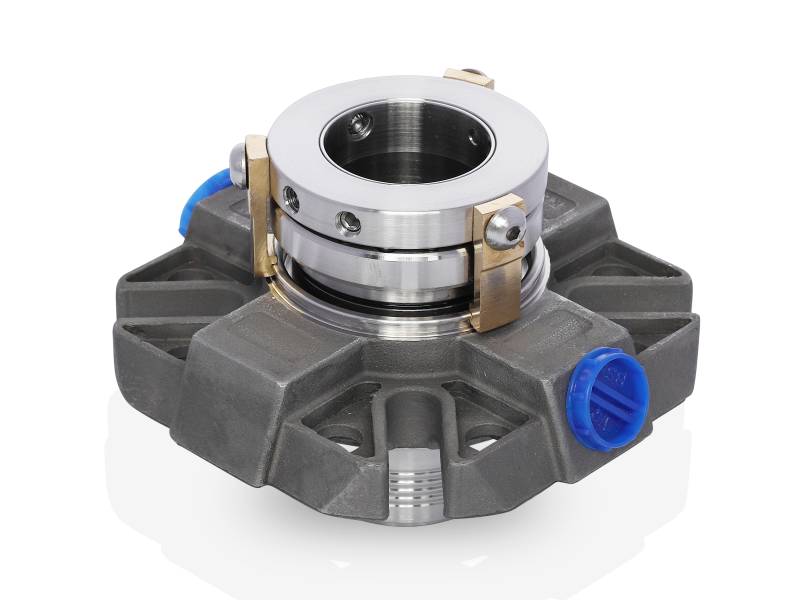
The RPW-012 Multi-Spring Mechanical Seal is a reliable internal wet seal designed for parallel-shaft rotating equipment in general industrial applications. It features a multi-spring configuration that delivers balanced face loading across a range of operating conditions, enhancing sealing performance and wear resistance. The seal uses elastomeric secondary elements and a set-screw drive for secure engagement to the shaft. A stationary seat is supplied as standard for straightforward installation.
Industries Served
Water and wastewater treatment

Chemical processing and fluid handling

Industrial and utility pumping systems

HVAC and building services

Agricultural and irrigation pumping

General manufacturing and process industries
Equipment & Use-Case Scenarios
- Parallel-shaft centrifugal and process pumps needing dependable internal wet sealing
- Services with clean to moderately contaminated process fluids
- Applications under low to moderate pressure and temperature conditions
- Replacement and routine maintenance in standard seal cavities
Why It Fits These Applications
- Multi-spring design: Ensures even distribution of load across the seal faces, improving stability and service life
- Elastomeric secondary seals: Provide effective sealing against shaft and housing surfaces
- Set-screw drive: Offers secure mechanical engagement and easy installation
- Internal wet configuration: Suitable where process fluid provides lubrication and cooling
- Stationary seat included: Simplifies setup and reduces assembly time
- Durable general-service design: Well-suited for a wide range of standard industrial fluid applications
Installation Guidelines
Pre-Installation Preparation
Clean and thoroughly inspect the pump shaft, seal chamber bore, and gland surfaces. Remove corrosion, debris, or scoring that could affect alignment or contact between sealing surfaces.
Seal Installation
Slide the RPW-012 seal onto the shaft into the seal chamber. Ensure that the multi-spring assembly and elastomeric components are oriented correctly. Tighten the set screws evenly to secure the rotary head without over-torquing.
Alignment & Fit
Verify that the stationary seat and seal faces are correctly aligned within the housing to maintain even face loading and optimal contact.
Startup Procedure
Once installed, gradually bring the pump up to operating speed and pressure. Monitor the seal area for signs of leakage, vibration, or abnormal temperature before placing the equipment into full duty.
Maintenance & Inspection Best Practices
- Routine Visual Checks: Periodically inspect the seal region for leakage, unusual heat, or vibration
- Seal Face Inspection: During scheduled maintenance, check seal faces for wear, scoring, or deposits
- Secondary Seal Integrity: Inspect elastomeric secondary seals for hardening, cracking, or deformation
- Operating Logs: Track fluid pressure, temperature, and shaft speed to identify patterns that may indicate seal wear
- Spare Parts Planning: Maintain stocks of replacement stationary seats, springs, and elastomeric components to minimize downtime
Service & Support Options
- Application Review: Confirm that the materials selected and seal design align with fluid properties and operating conditions
- Installation Assistance: Technical guidance to ensure correct orientation and secure engagement
- Preventive Maintenance Scheduling: Establish inspection and replacement intervals based on service history and duty cycle
- Seal Upgrade Evaluation: If service conditions become more demanding (higher pressures, temperatures, or abrasive fluids), consider alternate materials or enhanced designs
Related Products
Contact HydroMax Seal
Contact HydroMax Seal today for innovative solutions, expert guidance, and over a century of engineering excellence. Your journey to mechanical sealing excellence starts with HydroMax Seal!
E-Mail: sales@hydromaxseal.com
Address: 18511 Beaumont Hwy Building D
Houston, TX
77049