
EMD-30 Mechanical Seal – Teflon Bellows Type
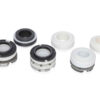
EMD-30 Mechanical Seal – Teflon Bellows Type
Overview
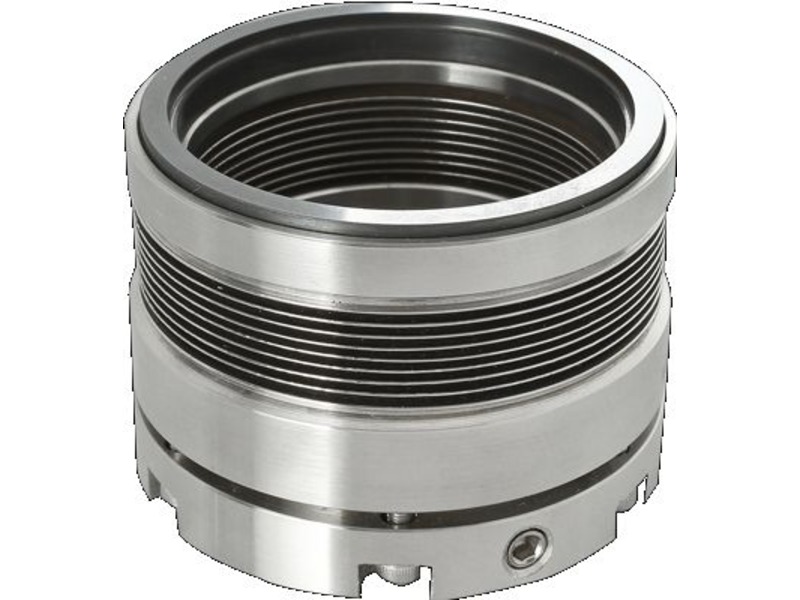
HydroMax Seal EMD-30 | Multi-Spring Teflon Bellows Component Seal
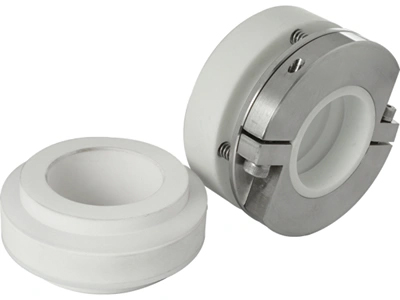
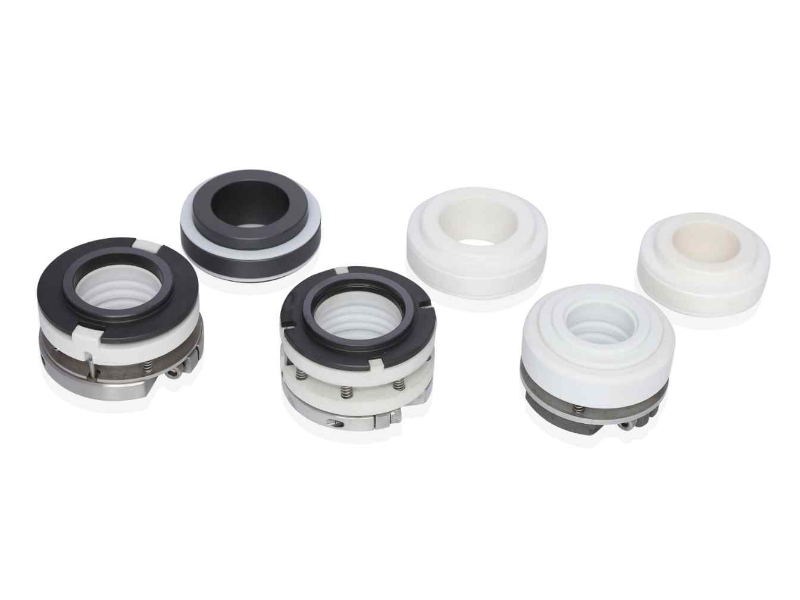
The EMD-30 is a multi-spring, external component seal equipped with a composite Teflon bellows. Designed for parallel shaft configurations, it uses a collet clamp drive and contains no elastomers, making it highly suitable for chemically aggressive or ultra-clean applications.
Featuring a monolithic seal face and supplied with a stationary seat as standard, the EMD-30 offers reliable sealing performance across a range of medium-pressure, moderate-temperature conditions.
Product Description
Design Features
- External seal design for parallel shafts
- Composite Teflon (GFT) bellows – chemically resistant and elastomer-free
- Multi-spring configuration for consistent axial load distribution
- Collet clamp driven for positive shaft engagement
- Monolithic seal face enhances durability and high-temperature stability
- Supplied with a stationary seat as standard
Technical Specifications
| Seal Shaft Sizes | 25mm – 100mm (1.000″ – 4.000″) |
| Inboard Seal Face Combinations | GFT/Cer GFT/SiC |
| Bellows Material | Composite GFT (Glass Filled Teflon) |
| Shaft Speeds | Up to 20 m/s |
| Pressures | Up to 5 Barg (73 psig) – Shaft Size Specific |
| Temperatures | Up to 110°C (230°F) |
HydroMax Seal offers a wide range of Teflon and metal bellows component seals, tailored to meet the performance demands of corrosive, abrasive, and high-purity environments.
Typical Applications & Industry Use Cases
The EMD-30 Teflon Bellows Mechanical Seal is a high-performance, multi-spring component seal featuring a composite Teflon (PTFE) bellows and external configuration. Designed for parallel-shaft installations, it uses a collet clamp drive and contains no elastomer secondary seals, making it especially suitable for chemically aggressive, high-purity, or ultra-clean services. The seal is supplied with a stationary seat and monolithic seal face to provide stable, long-lasting performance under moderate pressure and temperature conditions.
Industries Served

Chemical processing

Petrochemical and refining systems
Water and wastewater treatment

Pharmaceutical and food processing

High-purity or corrosive fluid services

Industrial and general pumping systems
Equipment & Use-Case Scenarios
- External component sealing on parallel-shaft pumps and rotating equipment
- Services with highly aggressive chemicals and corrosive media
- Applications requiring elastomer-free sealing solutions to prevent degradation
- Systems where seal longevity and chemical compatibility are critical
Why It Fits These Applications
- Composite Teflon bellows: Offers excellent chemical resistance and flexible compliance without the need for elastomers, making it ideal for corrosive and ultra-clean environments.
- Multi-spring configuration: Even axial loading across the bellows and seal faces enhances reliability and long service life.
- Collet clamp drive: Ensures secure mechanical engagement and positive drive to the shaft.
- Monolithic seal face: Provides durability, stability, and improved resistance to wear and moderate temperatures.
- Supplied with a stationary seat: Comes complete for typical installation in standard seal chambers.
Installation Guidelines
Pre-Installation Preparation
Clean and inspect the equipment shaft, seal chamber, and gland areas. Remove corrosion, scoring, or debris that could affect alignment or sealing surface contact.
Seal Installation
Position the EMD-30 seal assembly on the shaft for an external configuration, ensuring the Teflon bellows and collet clamp are correctly oriented. Secure the clamp drive appropriately to provide positive mechanical engagement without over-tightening.
Orientation & Alignment
Verify that the seal is aligned with the shaft axis and fluid flow direction to prevent uneven loading or premature wear.
Startup Procedure
Once installed, bring process fluid up to operating conditions while monitoring for leakage and support-fluid conditions. Ensure stable operation before placing equipment into full duty.
Maintenance & Inspection Best Practices
- Routine Visual Checks: Inspect around the seal area for signs of fluid leakage, vibration, or abnormal temperature.
- Seal Face Inspection: During planned service intervals, examine seal faces, bellows condition, and stationary seat surfaces for wear or deposits.
- Bellows Condition: Assess the integrity and flexibility of the Teflon bellows; replace if signs of fatigue or deformation are present.
- Operating Logs: Maintain records of pressures, temperatures, shaft speeds, and fluid properties to support performance tracking and predictive maintenance.
- Spare Parts Inventory: Keep replacement stationary seats, bellows units, and face combinations available to reduce downtime.
Service & Support Options
- Application Review: Confirm that the Teflon bellows material and face combinations are compatible with your specific fluid chemistry and operating conditions.
- Installation Assistance: Technical support can help ensure correct orientation and secure clamp engagement for reliable first-run performance.
- Preventive Maintenance Planning: Establish scheduled inspections and parts replacement intervals based on operational duty cycles.
- Material & Configuration Upgrades: If operating conditions evolve (e.g., higher temperatures, pressures, or more aggressive fluids), evaluate alternate face materials or enhanced bellows designs to maintain performance.
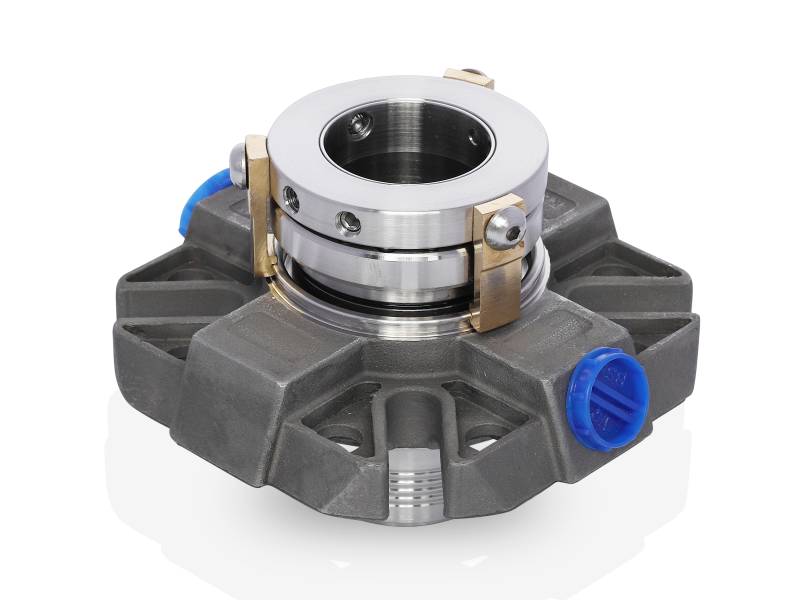
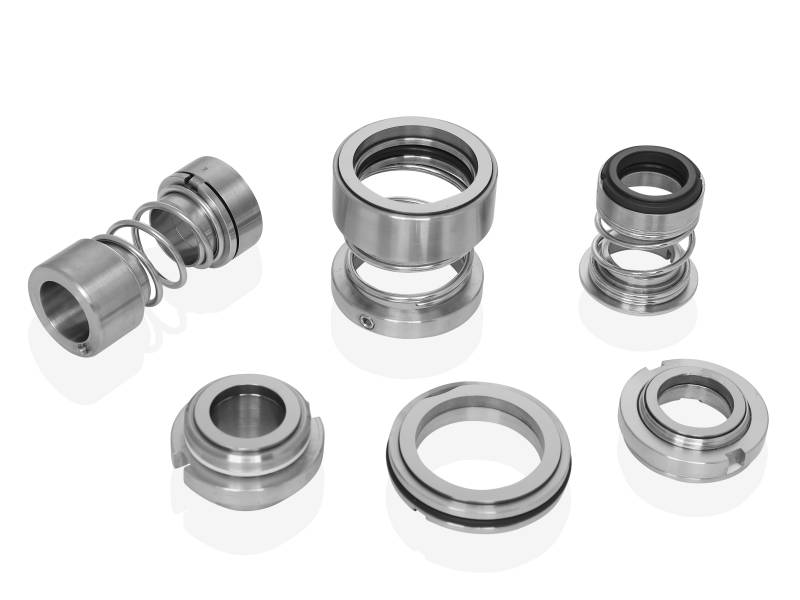
Related Products
Contact HydroMax Seal
Contact HydroMax Seal today for innovative solutions, expert guidance, and over a century of engineering excellence. Your journey to mechanical sealing excellence starts with HydroMax Seal!
E-Mail: sales@hydromaxseal.com
Address: 18511 Beaumont Hwy Building D
Houston, TX
77049