
GLR-170 Mixer Seal for Industrial Applications
GLR-170 Mixer Seal for Industrial Applications
Overview
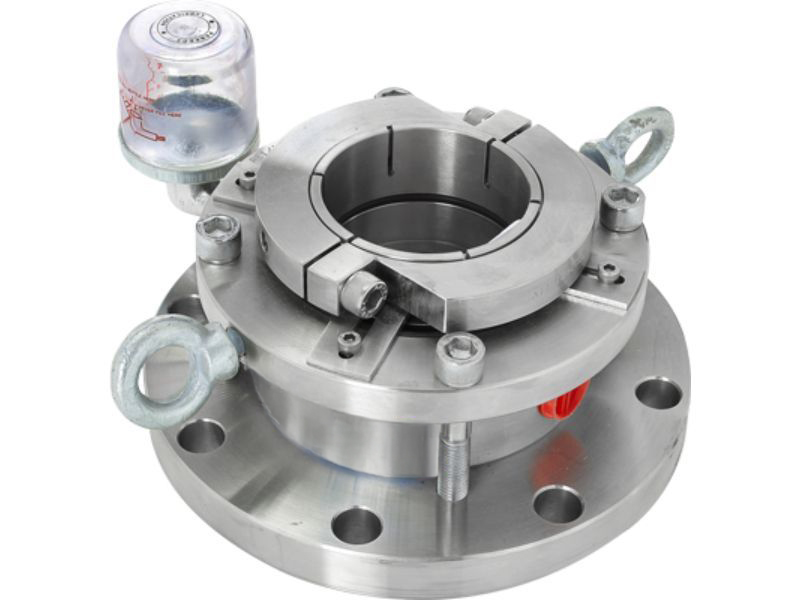
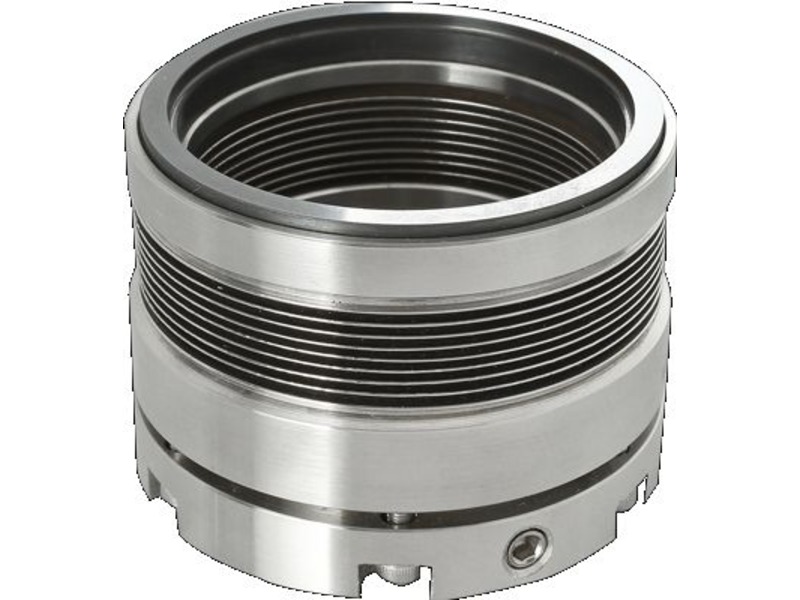
HydroMax Seal GLR-170 | Single Dry Cartridge Seal for Glass Lined Reactors
The GLR-170 is a multi-spring, single dry cartridge seal assembly with a bearing housing, integral oiler, and drive collar.
The Glass Lined Reactor (GLR) External 170 Single Dry Cartridge Seal Assembly is suitable for stepped shaft applications.
It features a long working length with monolithic rotary seal faces and a monolithic clamped stationary face.
The seal has a number of design features, comes factory assembled and tested, and has been successfully installed in hundreds of GLR applications.
Product Description
Technical Specifications
| Seal Shaft Sizes | 1.57″ – 5.51″ |
| Inboard Seal Face Combinations | Car/Cer Car/SiC |
| Gasket | GFT |
| Elastomers | Viton ERP Aflas Kalrez |
| Shaft Speeds | Up to 10 m/s |
| Pressures | Up to 6 barg (90 psig) |
| Temperatures | 30 – 180°C (86 – 356°F) |
WARNING:
The safe seal performance characteristics are typical values for each variable in isolation. The individual upper limit values of speed, pressure, and temperature should NOT be used in combination.
Typical Applications & Industry Use Cases
The GLR-170 Single Mixer Seal is a robust, single-acting mechanical seal specifically engineered for agitators, mixers, reactors, and blending equipment. Designed to accommodate axial movement, shaft deflection, and dynamic loads common in mixing applications, the GLR-170 provides reliable sealing performance in demanding process environments where standard pump seals are unsuitable.
Industries Served

Chemical and specialty chemical processing
reactors, blending vessels, and batch mixers handling reactive or process-critical fluids.

Pharmaceutical and fine chemical manufacturing
agitators and mixers requiring controlled leakage and stable sealing under varying operating conditions.

Food and beverage processing
mixing and blending equipment where seal stability and predictable performance are essential.

Paints, coatings, and adhesives
high-torque mixers operating with viscous or shear-sensitive products.

General industrial mixing applications
tanks, reactors, and vessels where shaft movement and vibration are unavoidable.
Equipment & Use-Case Scenarios
- Top-entry or side-entry agitators and mixers are subjected to axial shaft movement and radial deflection.
- Equipment operating under variable speeds, intermittent duty cycles, or frequent start-stop conditions.
- Mixing vessels with internal pressure low to moderate, but significant mechanical loads on the shaft.
- Applications where a single-seal arrangement is sufficient and external barrier systems are not required.
Why It Fits These Applications
- The mixer-specific seal design accommodates shaft deflection and axial movement far better than standard pump seals.
- A robust spring-and-drive mechanism ensures stable face loading even under fluctuating torque and speed conditions.
- The seal’s construction supports reliable operation in viscous fluids and demanding mechanical environments.
- Compact, purpose-built geometry allows easy integration into common mixer and agitator seal housings.
Installation Guidelines
Inspect the equipment thoroughly
Before installation, verify shaft straightness, surface finish, and concentricity. Mixing equipment often experiences higher mechanical loads, making proper shaft condition critical.
Prepare sealing surfaces
Ensure the seal chamber or mounting flange is clean, flat, and free from corrosion or damage.
Install with correct orientation
Carefully install the GLR-170 onto the mixer shaft, ensuring the seal faces are properly aligned, and the drive mechanism is securely engaged. Avoid over-compressing springs during installation.
Controlled commissioning
Start the mixer at low speed initially and monitor for leakage, abnormal noise, vibration, or temperature rise before ramping up to normal operating conditions.
Maintenance & Inspection Best Practices
- Routine visual inspections: Check for leakage patterns, seal face wear, and product buildup around the seal area during scheduled shutdowns.
- Monitor operating conditions: Track shaft speed, torque variations, temperature, and vibration—excessive deviations may shorten seal life.
- Seal face condition: Inspect faces for scoring, uneven wear, or deposits caused by product crystallisation or drying.
- Prevent product buildup: Clean the seal area regularly in applications where product may harden or accumulate around the seal.
- Planned replacement strategy: Replace wear components based on operating hours and process severity rather than waiting for seal failure.
Service & Support Options
- Application review: Assistance in confirming seal suitability based on mixer size, shaft movement, speed, product viscosity, and operating temperature.
- Material selection support: Guidance on face materials and elastomers to match chemical compatibility and cleaning requirements.
- Spare parts availability: Seal faces, elastomers, springs, and drive components are available to reduce downtime during maintenance.
- Installation and commissioning support: Help with alignment verification, startup checks, and early-life troubleshooting.
- Upgrade pathways: If operating conditions become more severe (higher pressure, aggressive chemistry, or stricter regulatory containment requirements), evaluation of dual-mixer seals or pressurised sealing systems can be provided.
Related Products
Contact HydroMax Seal
Contact HydroMax Seal today for innovative solutions, expert guidance, and over a century of engineering excellence. Your journey to mechanical sealing excellence starts with HydroMax Seal!
E-Mail: sales@hydromaxseal.com
Address: 18511 Beaumont Hwy Building D
Houston, TX
77049