

Durable Single Spring – RPW-032
Durable Single Spring – RPW-032
Overview
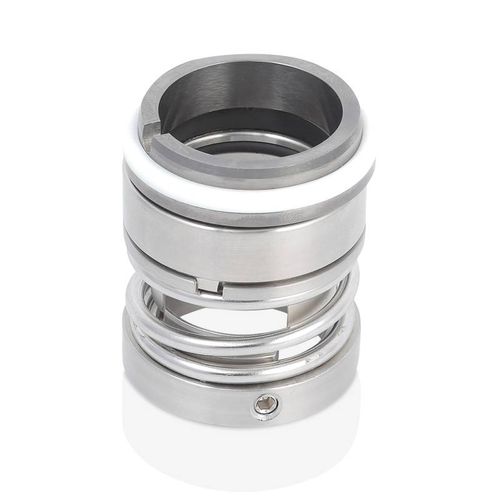
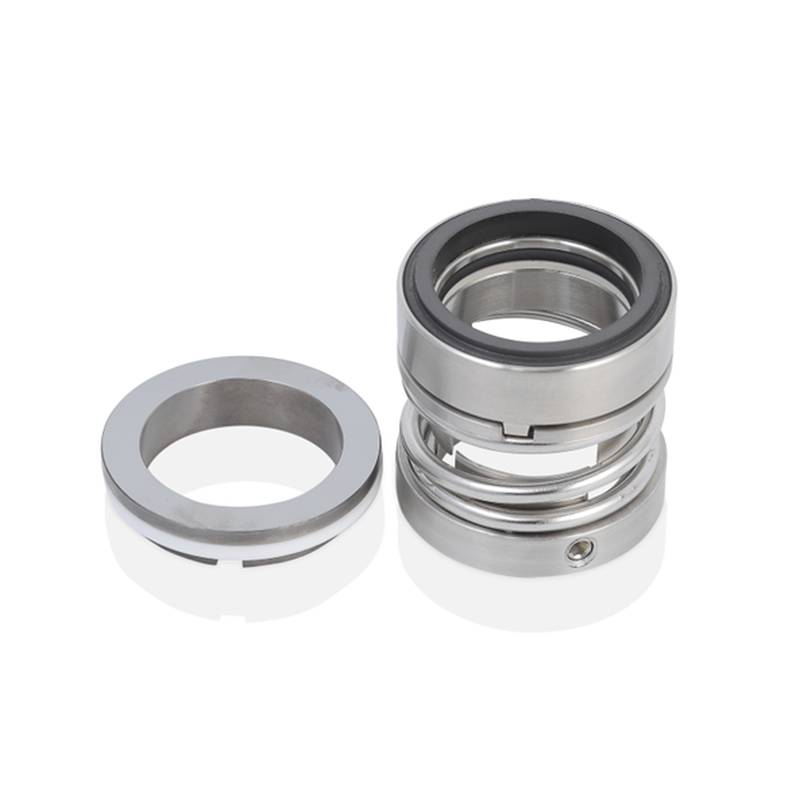
The RPW-032 is a SINGLE COIL SPRING SEAL WITH O-RING – BI DIRECTIONAL.
Internal Wet Seal, Shrink Fitted Rotary Head, Parallel shaft with O-Ring. The design is a Bi-directional Single Spring with Set Screw Drive (Standard w/length).
Product Description
Technical Specifications
| Seal Shaft Sizes | 1.000″ – 4.000″ (12mm – 100mm) |
| Inboard Seal Face Combination | Car/TC and Car/SiC |
| Elastomers | Viton, ERP |
| Shaft Speeds | Up to 10 m/s |
| Pressures | Up to 8 barg (116 psig) – shaft size specific |
Typical Applications & Industry Use Cases
The RPW-032 is a single-coil-spring, internally-wet mechanical seal with O-ring secondary sealing and a shrink-fitted rotary head — a simple, robust design suitable for many general-purpose rotating-shaft applications.
Because of its balanced single-spring design, it can operate bi-directionally and provides uniform face loading, helping maintain consistent sealing even under moderate pressure and speed conditions.
Industries Served

Water treatment, water supply, and general-service pumping
including clean water, service water, and utility pumps handling non-aggressive fluids.

Light to medium duty chemical processing
where fluid is relatively clean, and pressures/temperatures are within moderate limits.

Utility & industrial pumping
for services like condensate return, cooling-water pumps, general industrial fluid transfer, where reliability and simplicity are key.

OEM and retrofit applications
compact pumps with shaft sizes from 12 mm to 100 mm (≈1″–4″) are within the RPW-032’s specification range, making it suitable for standard pump frames and replacement needs.
Equipment & Use-Case Scenarios
- Small to mid-size centrifugal pumps with parallel shafts where a simple single-seal is sufficient, and conditions are not extreme (moderate pressure/speed/temp).
- Pumps handling clean to moderately clean fluids (low solids, low abrasiveness), where a balanced single-spring seal offers good service life while keeping maintenance simple.
- Applications where cost-effectiveness, ease of installation/maintenance, and reduced complexity are prioritized over heavy-duty or abrasive-service performance.
Why It Fits These Applications
- The single-coil spring mechanism keeps the sealing faces pressed together with a uniform, consistent load, helping maintain seal integrity under varying operating conditions.
- Its simple, fewer-parts design means easier installation and maintenance than complex multi-spring or dual-seal arrangements, reducing downtime and costs.
- The O-ring secondary seal simplifies shaft sealing and reduces sensitivity to minor shaft misalignment or surface imperfections — a benefit for general-duty applications.
- Given its operating limits (shaft size 12–100 mm, pressures up to ~8 bar, temperatures from –86°F to ~230°F), it's well-suited for standard clean liquids and utility services rather than extreme or abrasive slurries.
Installation Guidelines
Before installation, ensure the pump shaft, seal chamber bore, and gland face are thoroughly cleaned, free of corrosion or scoring. Within tolerance, a good surface condition is essential for reliable sealing.
Carefully slide the RPW-032 onto the shaft (or into the gland), taking care not to distort the O-ring or disturb the spring preload. For a single-spring internal wet seal, proper installation is key to avoiding early wear.
Engage the set-screw drive (if used) correctly, align the rotary head properly, ensure shaft alignment, and check that all surfaces are clean before first startup — this ensures uniform, leak-free face contact.
After installation, bring up the pump gently at first — observe for leaks, abnormal vibration, or temperature rise. Only proceed to full duty if the seal runs clean and stable under initial conditions.
Maintenance & Inspection Best Practices
- Periodically inspect the seal during scheduled downtimes: check seal face condition, O-ring integrity, spring tension (visually or via performance), and shaft/gland surfaces. Early detection of wear or damage helps prevent sudden failures.
- For fluids with contaminants, abrasives, or potential for particulate ingress, ensure filtration upstream or consider upgrading to a more robust seal type — single-spring seals perform best under clean/liquid-only conditions.
- Keep a log of operating conditions: fluid type, temperature, pressure, run time, start/stop cycles. This helps track seal life and schedule preventive maintenance before performance degrades.
- Replace O-rings and sealing elements periodically — even if there’s no visible leak — since O-rings degrade over time, especially when exposed to chemical agents or fluctuating temperatures. This helps maintain seal integrity over the long term.
Service & Support Options
- Pre-installation review: confirm that your pump’s shaft size, fluid characteristics (cleanliness, chemical compatibility), pressure, temperature, and operating speed match the RPW-032 specification — ensures proper seal selection.
- Spare-parts kit availability: includes spare rotary heads, O-rings, and gland hardware — ensuring quick replacement when needed and avoiding long pump downtime.
- Scheduled preventive-maintenance program: periodic inspection, component replacement, and logging of seal performance — to extend mean time between maintenance and reduce unscheduled shutdowns.
- Upgrade pathway planning: if operating conditions worsen (fluid gets more abrasive or contaminated, or pressure/speed increases), consider moving to a more heavy-duty seal design (e.g., multi-spring, balanced cartridge, or a dual-seal with flush support) to ensure longevity and reliability.
Related Products
Contact HydroMax Seal
Contact HydroMax Seal today for innovative solutions, expert guidance, and over a century of engineering excellence. Your journey to mechanical sealing excellence starts with HydroMax Seal!
E-Mail: sales@hydromaxseal.com
Address: 18511 Beaumont Hwy Building D
Houston, TX
77049